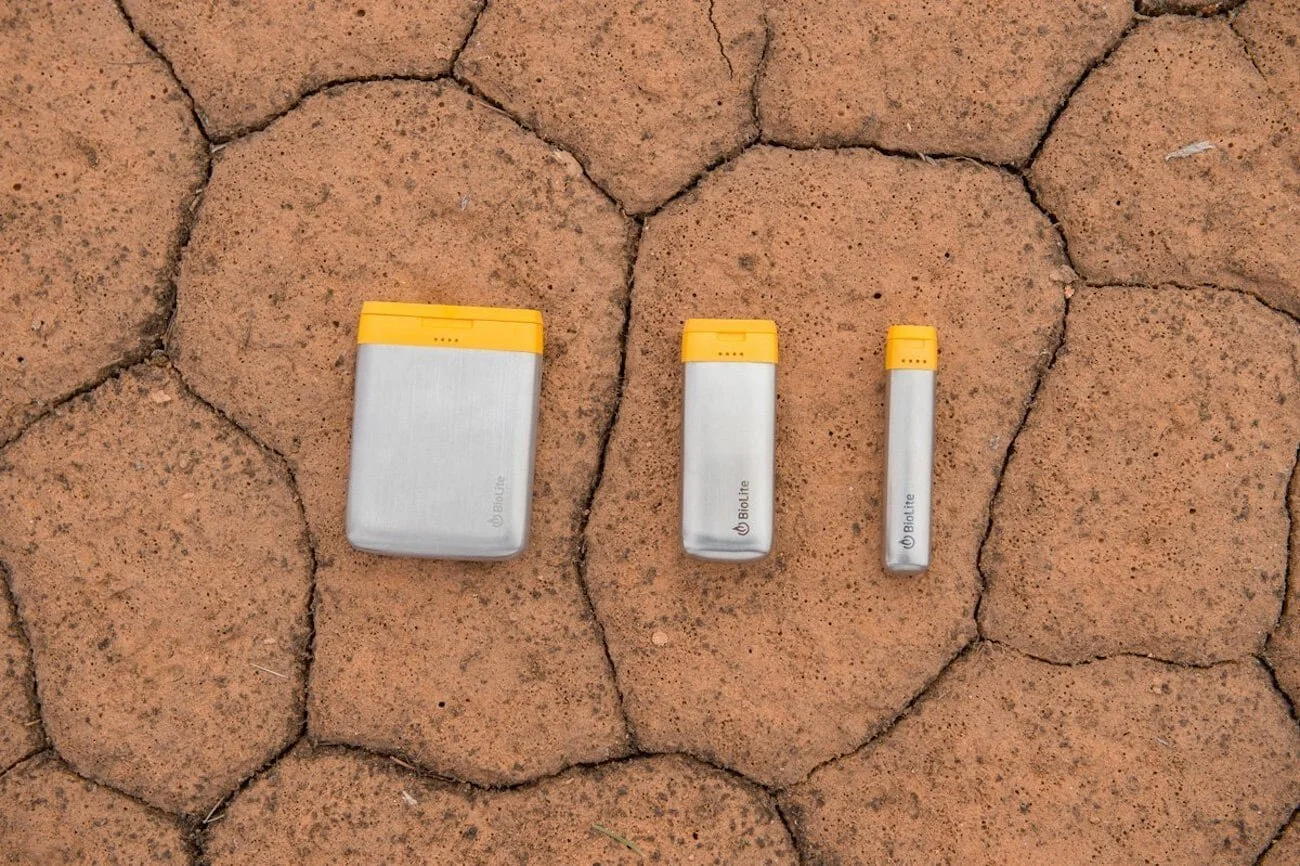
A family of rugged portable power banks built for the outdoor market — IPX4 water resistance, USB-C fast charge, and a unified design language that scales coherently across 10Ah, 20Ah, and 40Ah capacities.
The portable power market had bifurcated into two camps that didn't serve outdoor users: slim consumer-oriented banks optimized for commuter pockets, and bulky "rugged" options that delivered on durability but sacrificed the ergonomics and charge speeds that modern devices required. The Charge Series brief was to close that gap — products that could survive the field while delivering the fast-charge performance users expected from premium consumer electronics.
The design challenge was compounded by the need for a coherent product family across three capacity tiers. The 10Ah, 20Ah, and 40Ah units needed to read as a family — sharing a design language, material palette, and user interface logic — while each fulfilling distinct use cases from day hike backup power to multi-day base camp energy management.
Disciplines
Study
Market and user research revealed that outdoor-positioned power banks had prioritized IP ratings and drop resistance at the expense of charge performance. Users were tolerating 5W charging on products marketed as outdoor-ready — a significant regression from the fast-charge performance they were accustomed to from consumer products.
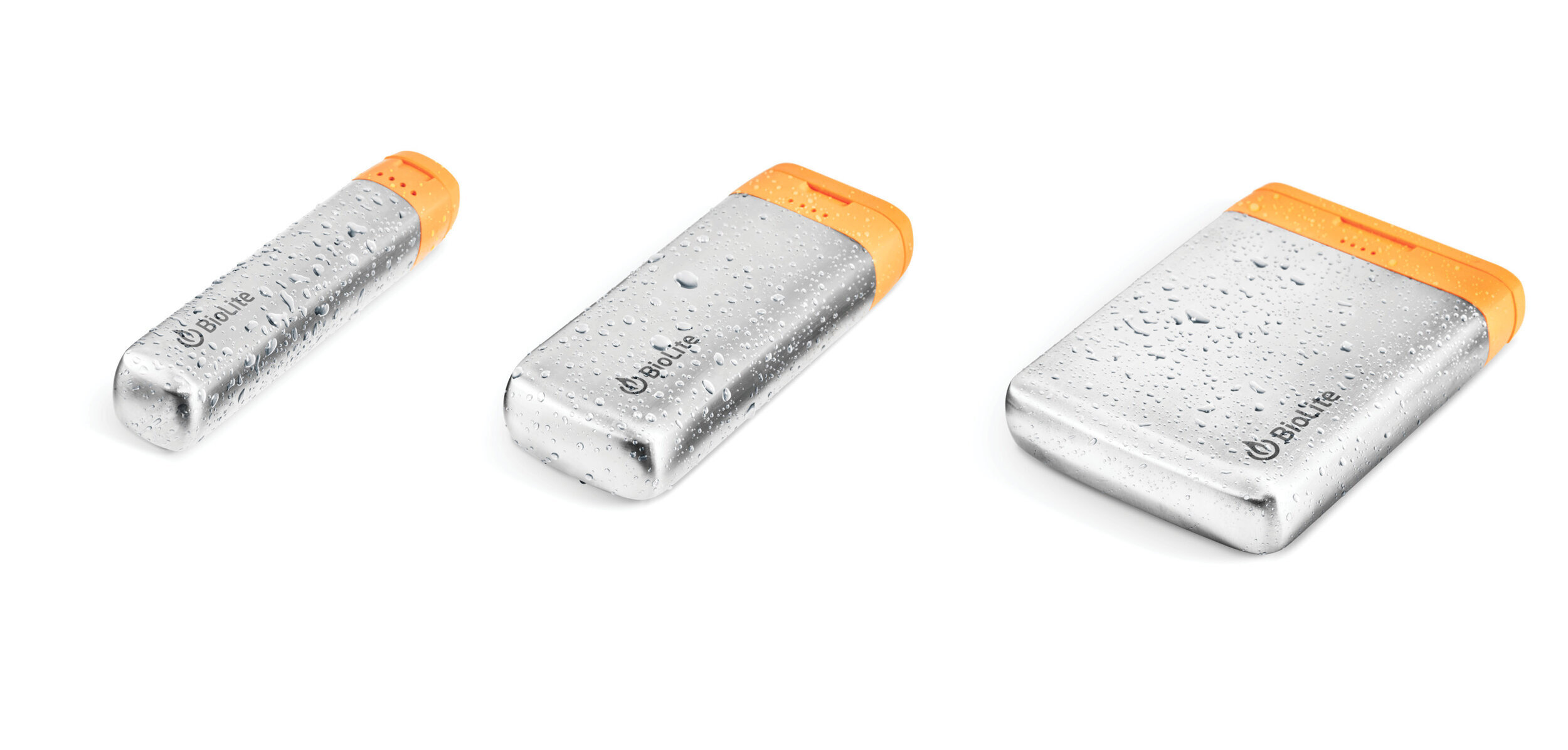
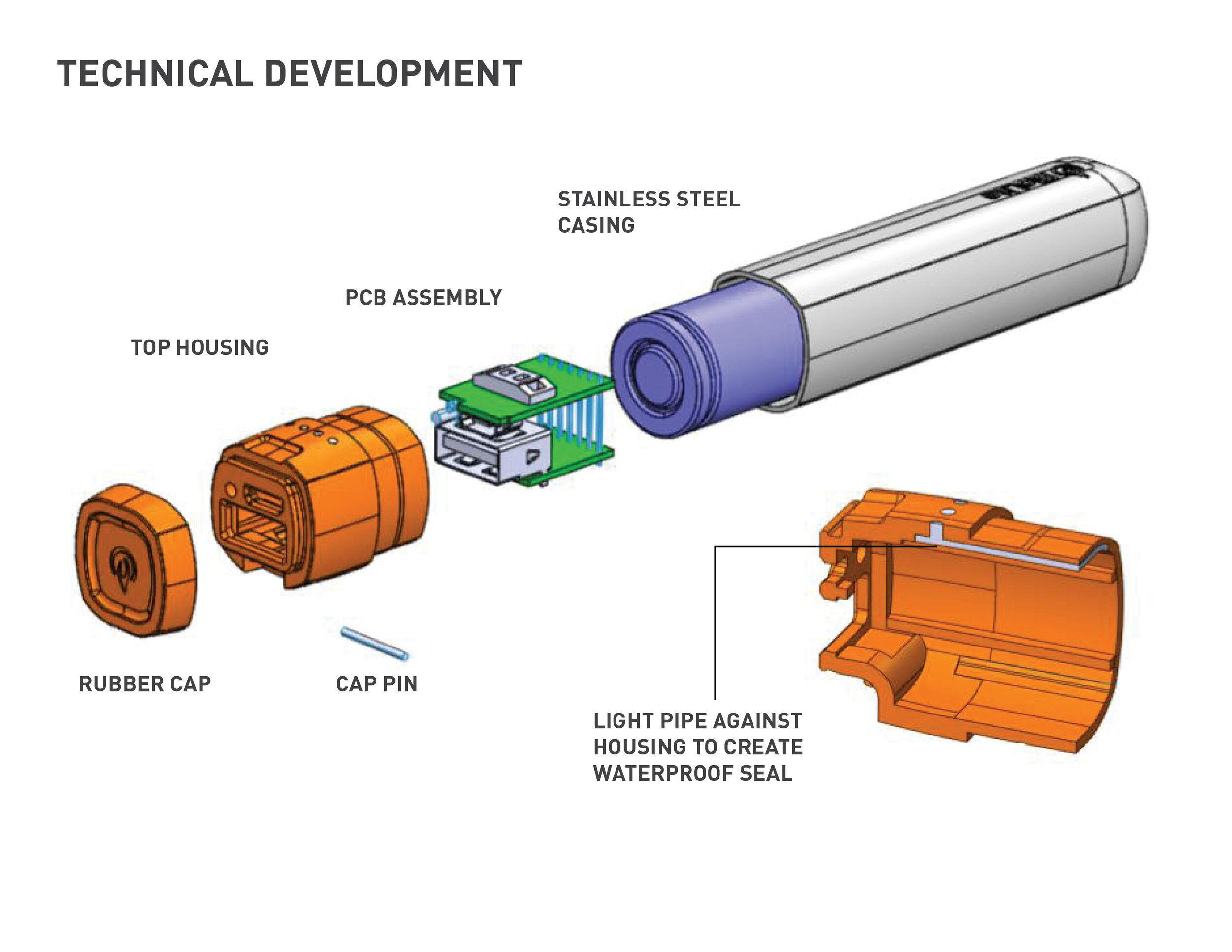
The Charge Series was designed around a non-negotiable: USB-C Power Delivery at each capacity tier. The rugged housing had to accommodate the thermal management requirements of high-current charging without adding excessive bulk. IP rating was maintained through gasket-sealed port covers that didn't impede the charge/discharge interface in daily use.
Strategy
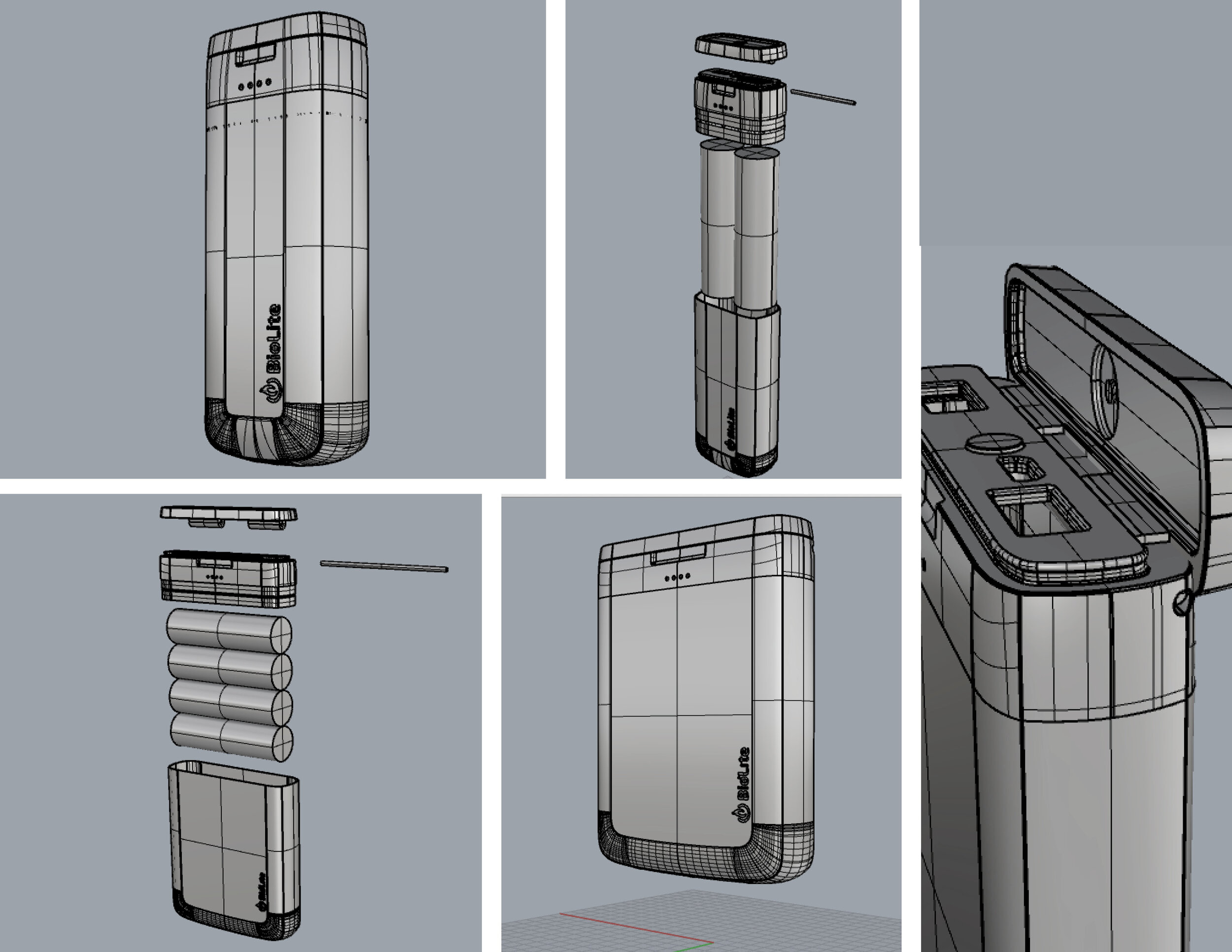
The product family strategy resolved around a shared visual DNA: a consistent corner radius, identical port placement logic, and a unified LED indicator system that communicated charge state the same way across all three units. Size differentiation was achieved through proportional scaling rather than form language divergence — a user familiar with the 10Ah reads the 40Ah immediately.
CAD modeling confirmed that all three units could share injection mold tooling for the end-cap components, reducing manufacturing cost while maintaining the visual cohesion of the family. The rubberized overmold — the primary tactile and visual differentiator from consumer-tier products — was engineered for consistent application across all body sizes.
CAD design — family architecture
Design development — round 1
Design development — round 2
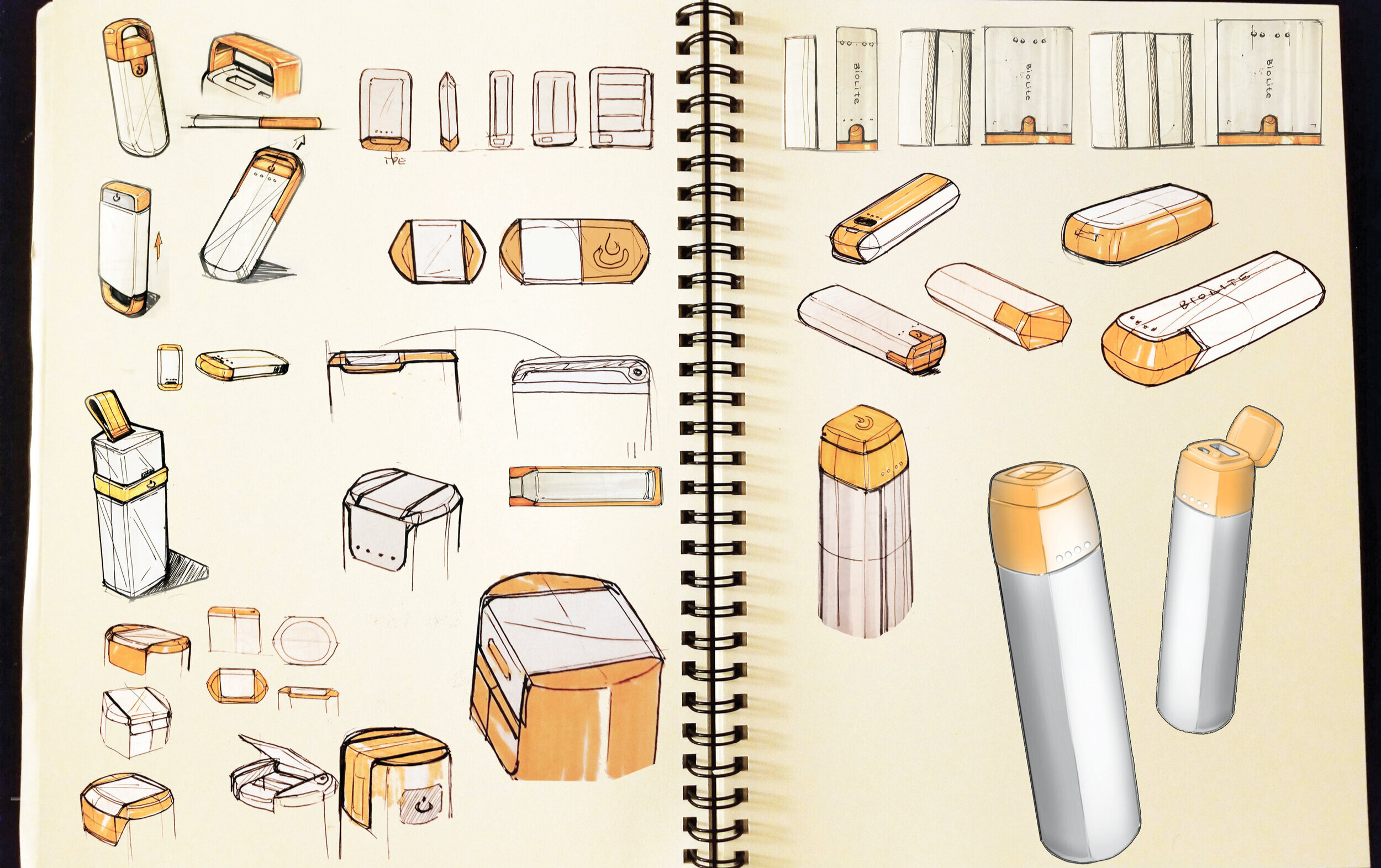
Form refinement
IPX lineup — waterproof validation
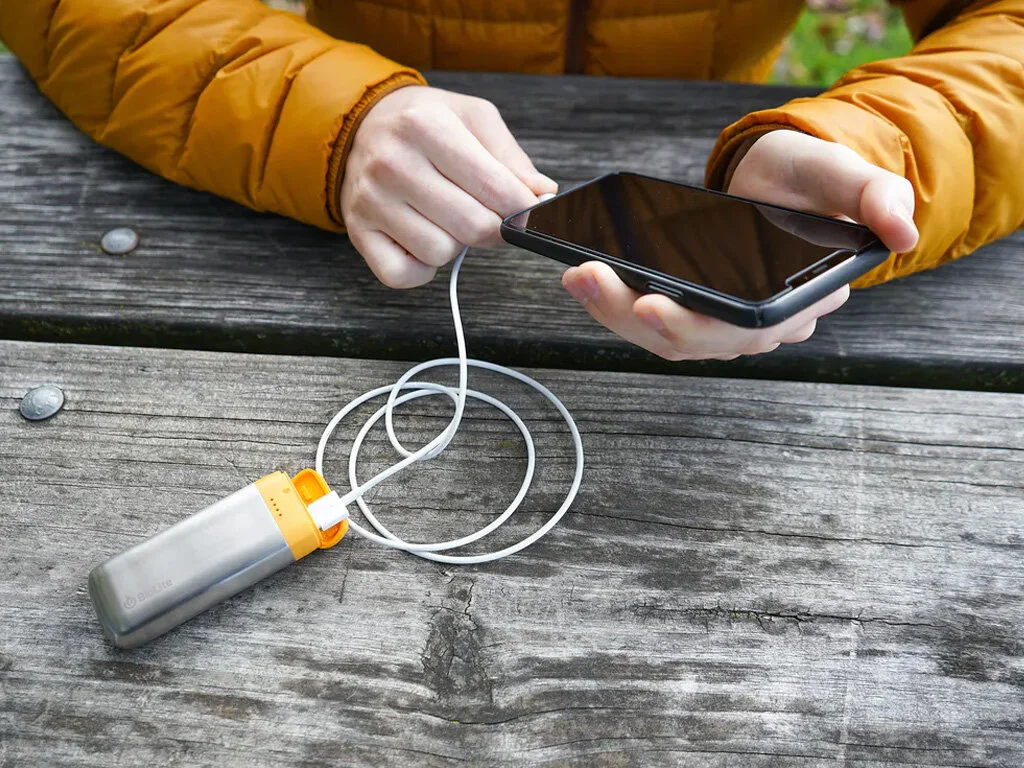
Full product lineup
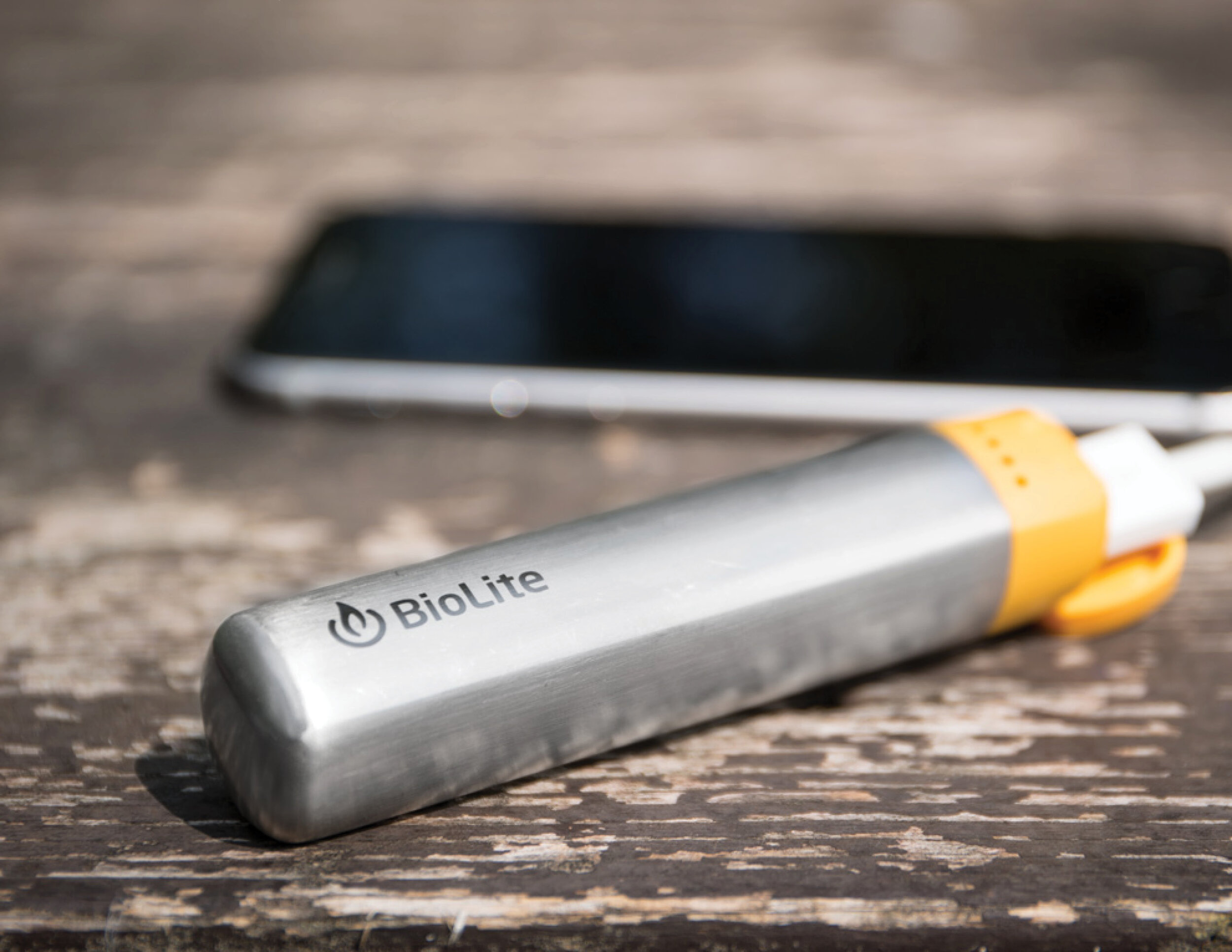
Final product — hero photography
Result
The BioLite Charge Series shipped as a three-unit product family that delivered on both the outdoor durability brief and the fast-charge performance requirement. IPX4 rating across all three units. USB-C Power Delivery on the 20Ah and 40Ah. A shared design language that reads as a deliberate family at retail and refuses to make the user choose between performance and field-readiness.
Outcomes
Technology
Product Family
Details